


Hey there! As a supplier of graphite rods, I often get asked about the shape of these nifty little things. So, let's dive right in and explore what the shape of a graphite rod is all about.
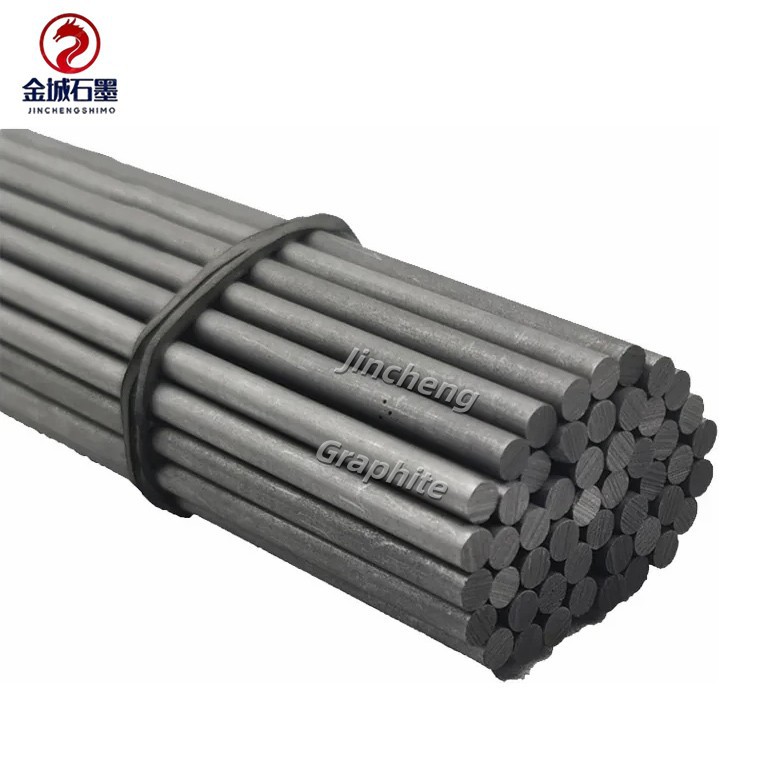
First off, the most common shape you'll come across is the cylindrical shape. It's like a long, skinny tube, and it's super practical. Why? Well, the cylindrical shape gives the graphite rod a uniform cross - section all along its length. This uniformity is crucial because it ensures consistent electrical and thermal conductivity. When you're using a graphite rod in applications like electrical heating elements or in some chemical processes, you need that reliability. The electrons can flow smoothly through the rod, and the heat can be evenly distributed.
You might be wondering, "Why not some other shape?" Well, other shapes can have their own issues. For example, if a graphite rod had a square or rectangular cross - section, there would be edges. These edges can cause stress concentrations. When the rod is under mechanical stress, like being bent or compressed, those edges are more likely to crack or break. With a cylindrical shape, the stress is evenly distributed around the circumference, making it more durable.
But it's not just about durability and conductivity. The cylindrical shape also makes it easier to manufacture and handle. During the production process, it's relatively simple to extrude or machine graphite into a cylindrical form. And when it comes to installation, it can easily fit into round holes or be connected to other cylindrical components.
Now, not all graphite rods are just simple cylinders. There are variations. Some graphite rods can have a tapered shape. A tapered graphite rod is thicker at one end and gradually gets thinner towards the other. This shape is useful in applications where you need a variable amount of heat or electrical current. For example, in some specialized heating systems, the tapered rod can provide more intense heat at the thicker end and a more gentle heat at the thinner end.
Another interesting shape is the hollow graphite rod. Instead of being solid all the way through, it has a hole in the middle. Hollow graphite rods are great for applications where you need to pass a fluid or a gas through the rod. They're often used in chemical reactors or in some cooling systems. The fluid or gas can flow through the central hole, while the graphite provides a stable and chemically resistant outer layer.

Let's talk a bit about the different types of graphite rods based on their quality and purity, and I'll also share some links to learn more.
If you're looking for a high - performance option, you might be interested in the Pyrolytic Graphite Rod. Pyrolytic graphite is a special type of graphite that has excellent thermal and electrical properties. It's often used in high - tech applications like aerospace and electronics.
For applications where purity is crucial, the High Purity Graphite Rod is the way to go. High - purity graphite rods are used in industries such as semiconductor manufacturing, where even the slightest impurity can cause problems.
And of course, there are the Solid Graphite Rod. These are the most common type, and they're suitable for a wide range of applications, from general electrical uses to mechanical components.
So, as you can see, the shape of a graphite rod can vary depending on its intended use. Whether it's a simple cylinder, a tapered rod, or a hollow one, each shape has its own unique advantages.
If you're in the market for graphite rods, whether it's for a small DIY project or a large - scale industrial application, I'd love to help you find the right one. The shape, quality, and purity of the graphite rod can make a huge difference in the performance of your project. So, don't hesitate to reach out for more information or to start a purchasing discussion. We can work together to figure out the best graphite rod shape and type for your specific needs.
References
- "Graphite: Properties and Applications" by Smith, J.
- "Advanced Materials in Engineering" by Johnson, R.


