

The global electric vehicle (EV) revolution is driving unprecedented demand for a wide range of advanced materials, and graphite stands out as one of the few materials critical to multiple pathways of vehicle electrification. From lithium-ion battery anodes in battery electric vehicles (BEVs) to bipolar plates and system components in fuel cell electric vehicles (FCEVs), graphite materials are essential across the entire EV supply chain. As global EV sales continue their rapid growth-rising 24% in 2025 alone according to industry data-the strategic importance of reliable graphite supply chains continues to grow.
In battery electric vehicles, which represent the dominant electrification pathway, graphite is the standard anode material in essentially all lithium-ion batteries. Each EV battery pack contains 50–100kg of graphite depending on vehicle range and battery chemistry. Both natural flake graphite (processed into spherical form) and synthetic graphite are used, with synthetic graphite generally preferred for higher-performance applications due to its superior cycling stability, fast-charging capability, and consistent quality. The massive scale of battery production-with global gigafactory capacity now measured in terawatt-hours-has driven enormous investment in graphite anode production capacity, particularly in China.
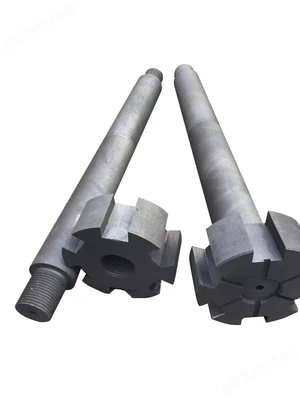
graphite energy storage battery material
In fuel cell electric vehicles, graphite plays an equally critical but different role. Graphite bipolar plates form the structural core of each fuel cell stack, distributing hydrogen and air, conducting electricity, removing heat, and separating individual cells. While some automotive fuel cell developers have adopted metal bipolar plates for certain applications, graphite plates remain preferred for many heavy-duty and stationary applications due to their superior corrosion resistance and long-term durability. The ongoing growth of FCEV adoption in commercial vehicles-trucks, buses, forklifts, and logistics vehicles-continues to drive demand for precision graphite bipolar plates.
Beyond these two primary applications, graphite appears in numerous other EV system components. Graphite thermal management materials-including graphite films and foils-are widely used in battery packs, power electronics, and motor controllers to dissipate heat and maintain optimal operating temperatures. Graphite brushes are used in various auxiliary motors and actuators throughout the vehicle. Graphite-based conductive additives improve the performance of battery electrode materials. And graphite tooling is used in manufacturing processes for battery cells, motor components, and lightweight structural parts.
Huixian Jincheng Abrasive & Graphite Mold Factory, based in Henan Province with over 40 years of graphite manufacturing experience, is one of the specialized Chinese suppliers serving the broader EV supply chain through its fuel cell graphite component production. While the company does not produce battery anode materials (which represent a different branch of graphite manufacturing), it is an important supplier of graphite bipolar plates and related components for fuel cell vehicle systems and supporting hydrogen infrastructure.
Jincheng Graphite
