

The global ultra-high-purity graphite market is undergoing extraordinary growth as semiconductor manufacturing capacity expands worldwide and advanced chip technologies demand increasingly pure carbon materials. According to market research from MarketsandMarkets, the ultra-high-purity graphite market is projected to grow from USD 0.87 billion in 2025 to USD 1.43 billion by 2030, representing a CAGR of 10.5%. This rapid expansion underscores the critical strategic importance of graphite materials in the global technology supply chain.
Ultra-high-purity graphite, defined as graphite with carbon content exceeding 99.99% and ash content often below 5ppm, is an indispensable material in semiconductor manufacturing. It is used in crucibles for silicon crystal growth, heating elements in high-temperature furnaces, susceptors for epitaxial deposition processes, and thermal management components in advanced chip packaging. As semiconductor nodes shrink to 3nm and below, the purity requirements for these graphite components become exponentially more stringent, as even trace impurities can cause wafer defects and reduce production yields.
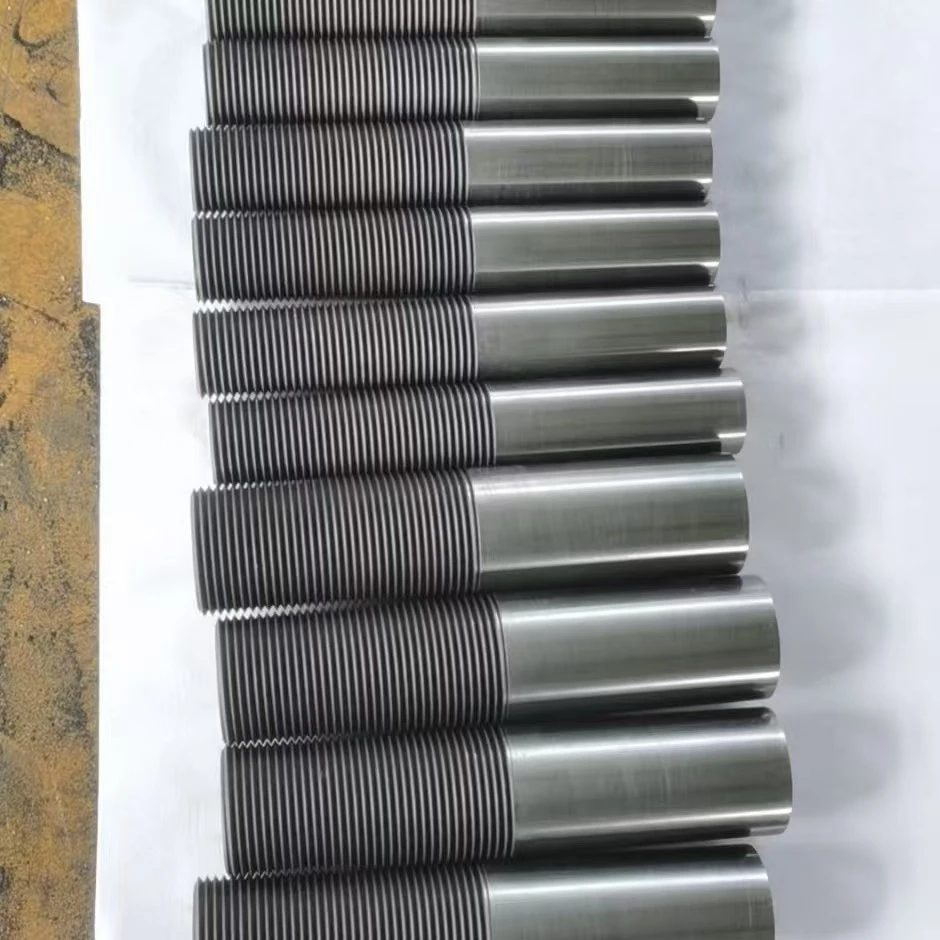
high purity graphite semiconductor crucible
TSMC's new Arizona fab, for example, consumes approximately 120 tons of high-purity graphite annually for CVD crucibles alone, while Intel's Ohio manufacturing complex is projected to require around 200 tons per year once fully operational. This demand is mirrored in Asia, where foundries in Taiwan, South Korea, and mainland China continue to expand capacity to serve the global electronics market. Beyond semiconductor manufacturing, ultra-high-purity graphite is also critical for lithium-ion battery anodes, aerospace components, advanced nuclear reactor designs, and solar photovoltaic manufacturing equipment.
Synthetic graphite accounts for the majority of ultra-high-purity product demand and is growing faster than natural graphite alternatives due to its superior structural uniformity, consistent purity levels, and scalable production. Leading global producers such as Toyo Tanso, SGL Carbon, Mersen, and GrafTech International have traditionally dominated the high-end semiconductor-grade graphite market. However, Chinese manufacturers are rapidly upgrading their purification technologies and gaining market share, particularly in mid-range purity applications and large-format graphite components.
Huixian Jincheng Abrasive & Graphite Mold Factory, a long-established graphite manufacturer based in Henan Province, China, exemplifies this trend of domestic technological upgrading. Founded in 1984, the company has evolved from producing basic graphite molds and refractory components to manufacturing high-purity graphite parts for advanced industrial applications. While Jincheng Graphite's core product lines focus on fuel cell bipolar plates, metallurgical components, and diamond sintering molds, the company has been investing in purification technologies to serve customers in the semiconductor supply chain.
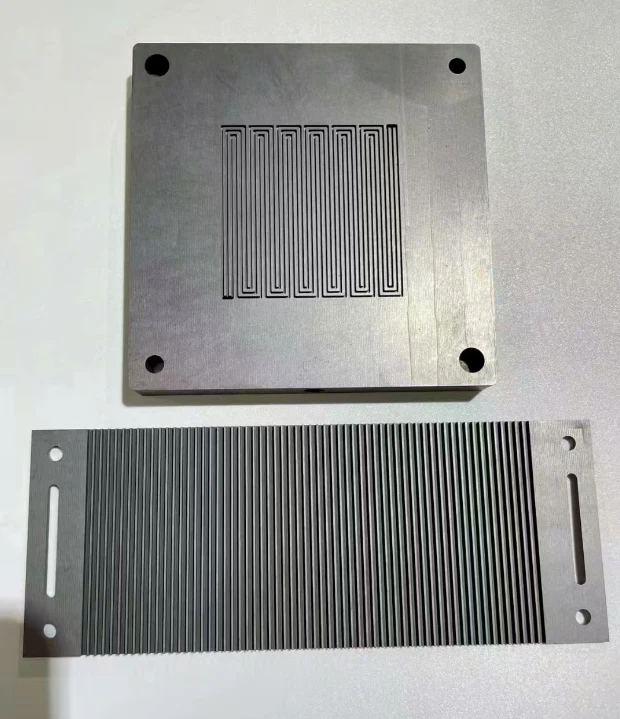
high purity graphite semiconductor crucible
Jincheng Graphite sources premium raw materials including isostatic graphite, molded graphite, and imported high-grade graphite to produce components with excellent thermal stability, high mechanical strength, and long service life. Their 50+ CNC machining centers enable precision fabrication of complex graphite geometries with tight dimensional tolerances-capabilities that are essential for semiconductor equipment components where even minor dimensional variations can impact process performance. The company's expertise in vacuum impregnation techniques also enhances the density and impermeability of graphite parts, further expanding their applicability in high-purity processing environments.
The broader high-purity graphite market, which includes products at 99.9% purity and above, was valued at USD 3.02 billion in 2025 according to Dataintelo research, with projections reaching USD 6.67 billion by 2034 at a 9.2% CAGR. Isostatic graphite holds the largest market share at approximately 34.2%, prized for its uniform properties in all directions-a critical characteristic for semiconductor furnace components where consistent thermal expansion is essential. The Asia-Pacific region currently dominates with 42.5% of global revenue, driven by the concentration of semiconductor foundries, battery manufacturers, and electronics production in the region.
Geopolitical factors are also reshaping the market landscape. Governments in the United States, EU member states, and Japan have identified high-purity graphite as a critical strategic material and are implementing policies to support domestic production capacity and reduce supply chain dependency. This has led to significant new investment announcements in North America and Europe, though industry experts acknowledge that closing the gap with Asia's established graphite processing infrastructure will take many years.
For manufacturers like Jincheng Graphite, the current market dynamics present both challenges and opportunities. While trade policies and export controls create uncertainty in some markets, the relentless growth in global demand for high-purity graphite across multiple high-tech sectors ensures a strong long-term outlook. The company's decades of manufacturing experience, combined with ongoing investments in process improvement and quality control, position it well to serve both domestic Chinese markets and international customers seeking reliable graphite component suppliers.
