

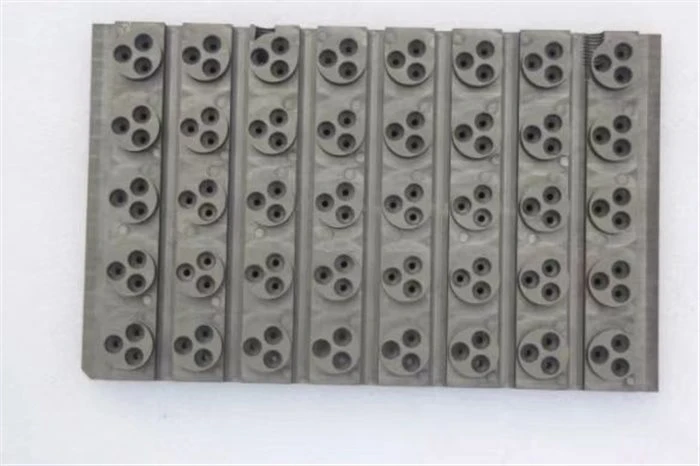
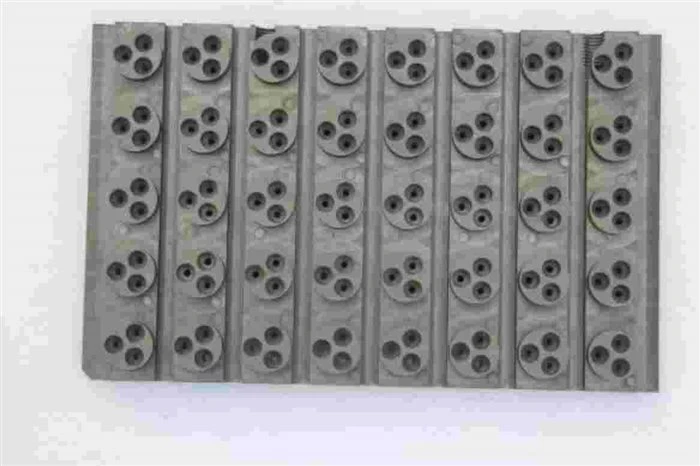
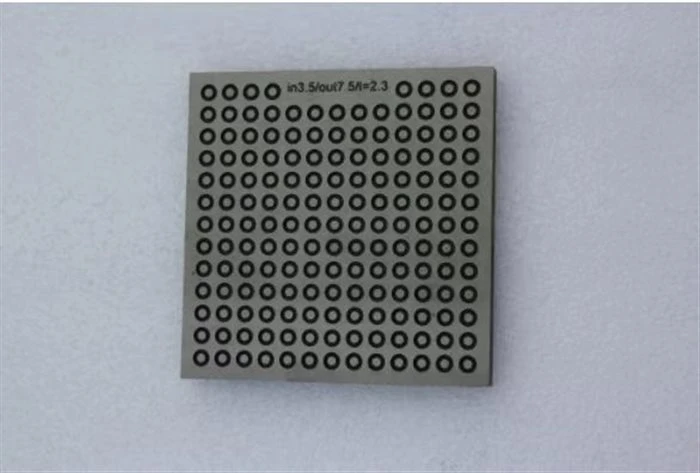

Graphite Mold for Diamond Powder Compaction
Product Overview
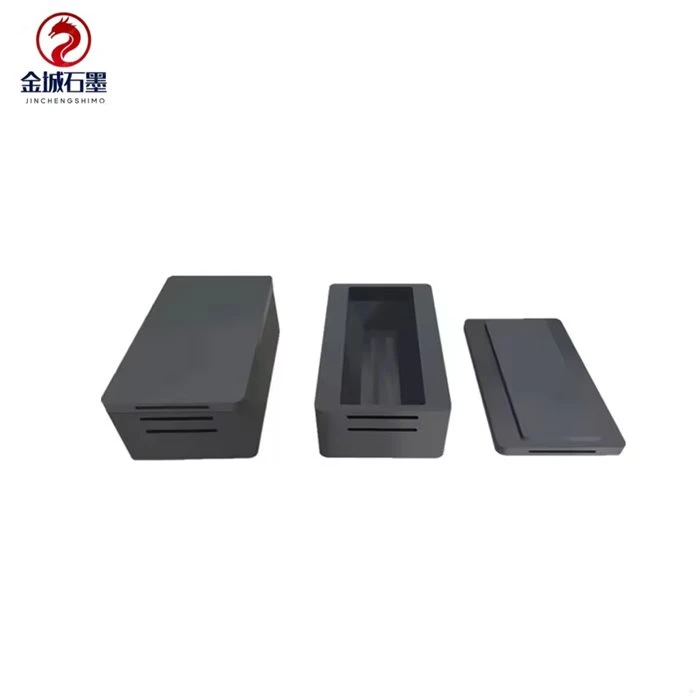
Jincheng graphite molds for diamond powder compaction are precision-manufactured graphite dies designed for high-pressure, high-temperature (HPHT) diamond synthesis and powder compaction processes. These molds provide excellent thermal conductivity and mechanical strength under extreme pressure conditions.
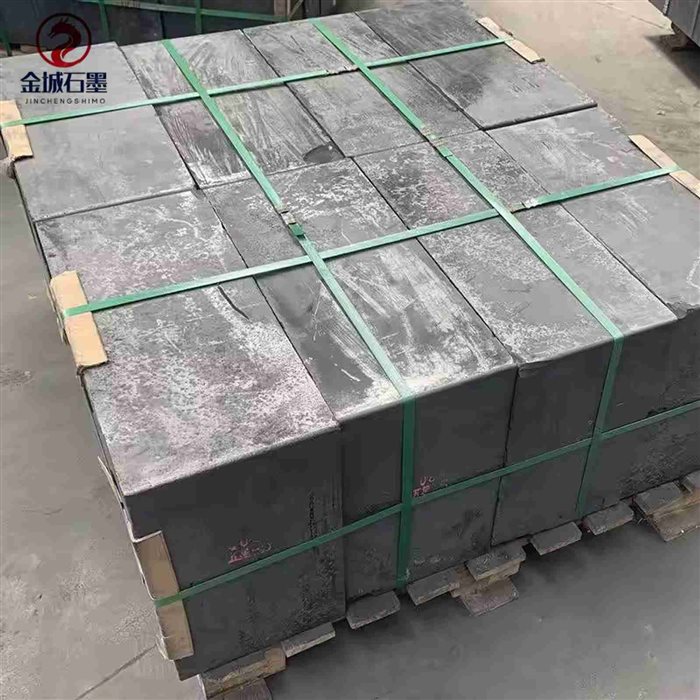
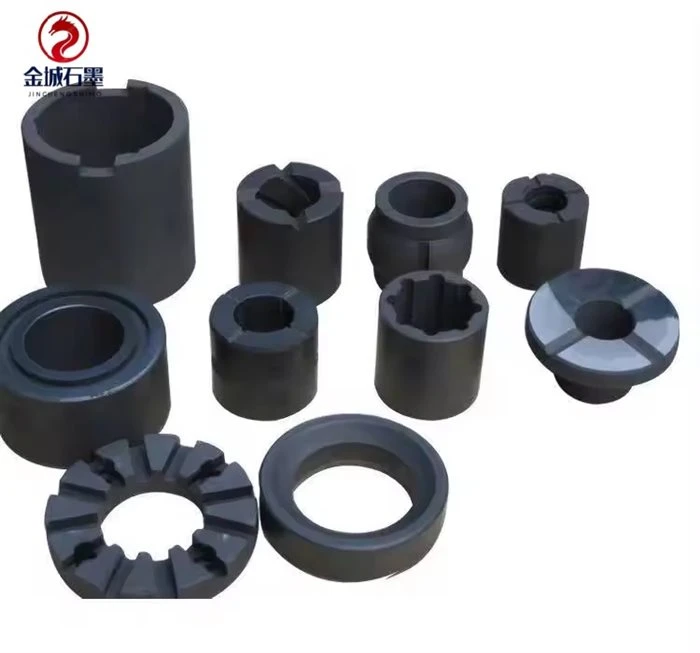
Our diamond compaction molds are manufactured from high-density, fine-grain isostatic graphite that can withstand the severe conditions of diamond synthesis presses. Custom cavity shapes and sizes are available to match different press models and diamond grit sizes.
Key Features
- High density graphite for withstanding extreme pressure (5-8 GPa)
- Excellent thermal conductivity for uniform heating during synthesis
- High mechanical strength at temperatures up to 2000°C
- Fine grain structure for smooth mold surfaces and easy demolding
- Precision machined to tight tolerances for perfect press fit
- Long service life with proper use and atmosphere control
- Custom designs available for different press configurations
- Various graphite grades to match different budget and performance needs
Technical Specifications
| Parameter | Value |
|---|---|
| Material | High density isostatic graphite |
| Density | 1.80 - 1.90 g/cm3 |
| Shore Hardness | 65 - 80 HS |
| Compressive Strength | 120 - 180 MPa |
| Flexural Strength | 60 - 90 MPa |
| Electrical Resistivity | 8 - 12 uOhm*m |
| Max Working Temperature | 2200°C |
| Max Pressure | 8 GPa (typical HPHT range) |
| Mold Size | Custom per press model |
| Cavity Tolerance | ±0.01 mm |
Applications
- HPHT diamond synthesis for industrial diamond grit and powder
- CBN (cubic boron nitride) synthesis for superabrasive materials
- Powder compaction for cemented carbide and ceramic powders
- Diamond tool manufacturing for saw blades, grinding wheels, and drill bits
- Research and development for high-pressure material science experiments
- Precision ceramic forming for small batch high-value components
Why Choose Jincheng Graphite Molds?
- Specialized graphite grades for HPHT and powder compaction applications
- Precision CNC machining with tight tolerances for perfect press fit
- Experience with major press brands including Hall, Sumitomo, and others
- Custom mold design based on your press specifications and product requirements
- Competitive pricing as a direct graphite component manufacturer
- Fast delivery - standard molds within 1 week, custom within 2 weeks
- Technical support for mold design optimization and process improvement
- Global shipping to diamond tool manufacturers and research institutes worldwide
Frequently Asked Questions
Q1: What graphite grade is recommended for diamond synthesis?
A: High density, fine grain isostatic graphite (density 1.85-1.90 g/cm3) is typically recommended for HPHT diamond synthesis. We can recommend the optimal grade based on your press model and process conditions.
Q2: How long do diamond compaction molds last?
A: Mold life depends on pressure, temperature, and process conditions. Under typical HPHT conditions, graphite molds last 20-50 cycles before needing replacement.
Q3: Can you manufacture custom mold shapes?
A: Yes, we manufacture custom molds based on your press drawings and cavity requirements. Please provide your press model or existing mold dimensions for quotation.
Q4: Do you provide mold design services?
A: Yes, our engineering team can help design optimal mold geometries for your specific compaction process and product requirements.
Hot Tags: graphite mold, diamond compaction, HPHT mold, synthetic diamond mold, graphite die, fuel cell bipolar plate, fuel cell graphite plate, graphite mould, graphite optic mold, high pressure die casting mold, metallic bipolar plates for fuel cells


