

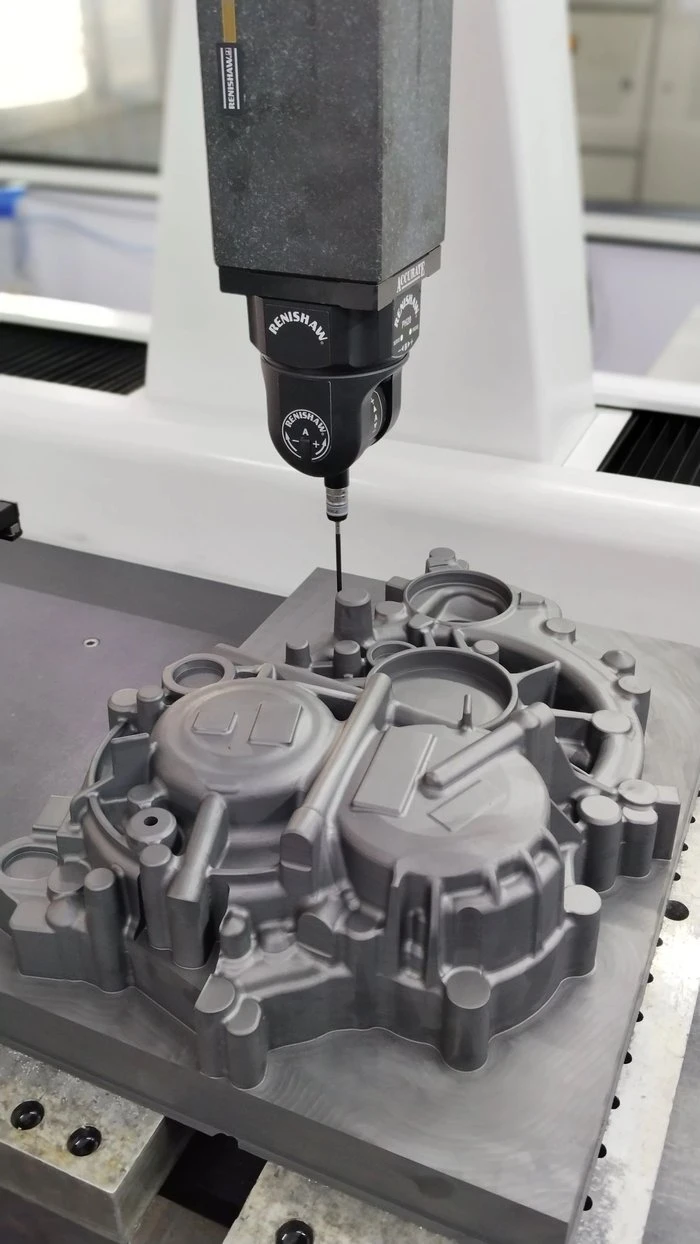
Graphite Mold and Die for Glass Forming and Lens Pressing
Product Overview
Our glass forming graphite molds are precision-machined dies used in the hot pressing and molding of optical glass, glass lenses, glassware, and specialty glass components. Glass softens at 500-700°C, and graphite is the ideal mold material because it machines to optical precision, does not stick to molten glass, releases parts cleanly, and withstands repeated heating cycles. We manufacture custom graphite molds for precision lens pressing, glass embossing, optical component molding, and laboratory glass forming, machined from customer optical design drawings.
Glass press molding requires molds that can maintain precise optical surface geometry at elevated temperatures without reacting with the glass. At Jincheng Graphite, we precision-machine glass forming molds from fine-grain isostatic graphite with surfaces polished to optical quality. Our molds are used in precision lens manufacturing, glass bead forming, optical fiber component molding, and research glass forming. We can also provide CVD-SiC coated molds for ultra-precision optical applications where surface quality is critical.
Key Features
- Optical surface finish - mold surfaces polished to optical quality for precision lenses
- Glass non-stick - graphite releases glass without sticking or mold release agents
- High temperature strength - maintains dimensional accuracy at glass softening temperatures
- Precision machined - cavities and punches machined to optical tolerances
- Custom geometries - spherical, aspheric, cylindrical, and custom lens shapes
- Fine grain material - fine-grain graphite reproduces fine surface detail
- SiC coating option - ultra-smooth surface for precision optical molding
- Long mold life - hundreds of press cycles per mold set
Technical Specifications
| Parameter | Value |
|---|---|
| Material | Fine-grain isostatic graphite |
| Grain Size | < 5 µm (precision grades) |
| Bulk Density | 1.80 - 1.88 g/cm³ |
| Operating Temperature | 500 - 700°C (glass softening range) |
| Mold Cavity Tolerance | ±0.005 mm (precision optical) |
| Surface Finish (cavity) | Ra 0.05 - 0.2 µm (polished) |
| Max Mold Diameter | 200 mm (larger custom on request) |
| Max Mold Thickness | 100 mm |
| Coating Option | CVD SiC coating (Ra < 0.02 µm) |
| Pressing Force Range | 1 - 50 tons (application-dependent) |
| Mold Life | 500 - 2000 press cycles |
| Lead Time | 15-25 business days |
Applications
- Precision optical lenses - molds for camera, telescope, and ophthalmic lens pressing
- Aspheric lenses - precision molds for aspheric glass lens molding
- Glass press ware - molds for glass bowls, dishes, and laboratory glassware
- Glass beads and optics - molds for precision glass bead and sphere forming
- Optical fiber components - molds for ferrules and optical fiber connector parts
- Laboratory glass research - custom molds for glass composition research
Why Choose Jincheng Graphite?
- Optical precision machining - CNC grinding and polishing to optical tolerances
- Fine-grain material - super-fine graphite for reproducing fine optical detail
- Custom mold design - complete mold sets from your optical drawings
- SiC coating capability - offer coated molds for ultra-precision applications
- Glass industry experience - understand glass press molding requirements
- Fast prototyping - first article molds within 15-20 business days
- Cost advantage - lower than European optical mold suppliers
- Global delivery - lens manufacturers and research labs worldwide
FAQ
Q: Do I need mold release spray when pressing glass in graphite?
A: No. Graphite is naturally non-sticking to glass at forming temperatures, and no mold release agent is required. The glass releases cleanly from the graphite mold surface. This is one of the key reasons graphite is preferred over metal molds for glass pressing.
Q: How long does a glass pressing mold last?
A: Under typical precision lens pressing at 550-650°C, a fine-grain graphite mold lasts 500-2000 press cycles. Mold life depends on glass type, pressing temperature, and cavity complexity. SiC-coated molds last significantly longer and produce better surface quality.
Q: Can you produce aspheric lens molds?
A: Yes. We CNC-grind aspheric mold surfaces using precision optical grinding equipment. Send us your lens design (sag equations or STEP files) and we will produce the matching mold cavity and punch set.
Q: What information do you need to quote a glass mold?
A: Please provide the finished glass part drawing or optical design, the glass type and pressing temperature, the pressing force and cycle time, and the required production volume. Our engineering team will design the complete mold set.
Hot Tags: graphite mold and die for glass forming and lens pressing, China graphite mold and die for glass forming and lens pressing manufacturers, suppliers, factory, fuel cell graphite plate, graphite coin mould, graphite heart mold, graphite plates for fuel cells, hydrogen oxygen battery bipolar plate, pemfc bipolar plate


