How Crucibles Wear
A graphite crucible loses material over repeated melts through two related processes: oxidation at the exposed hot surface and erosion from the moving metal and flux. The rim and the upper wall, exposed to air and slag, often wear first.
Wear is gradual, so tracking it allows replacement before a failure.
Controlling Oxidation and Erosion
Minimize the time the hot crucible spends in air and keep furnace atmospheres controlled. Avoid overheating beyond the recommended temperature, since higher temperatures accelerate oxidation sharply.
Gentle handling and careful slag removal protect the surface, while aggressive scraping can expose fresh material and speed wear.
Scheduling Replacement
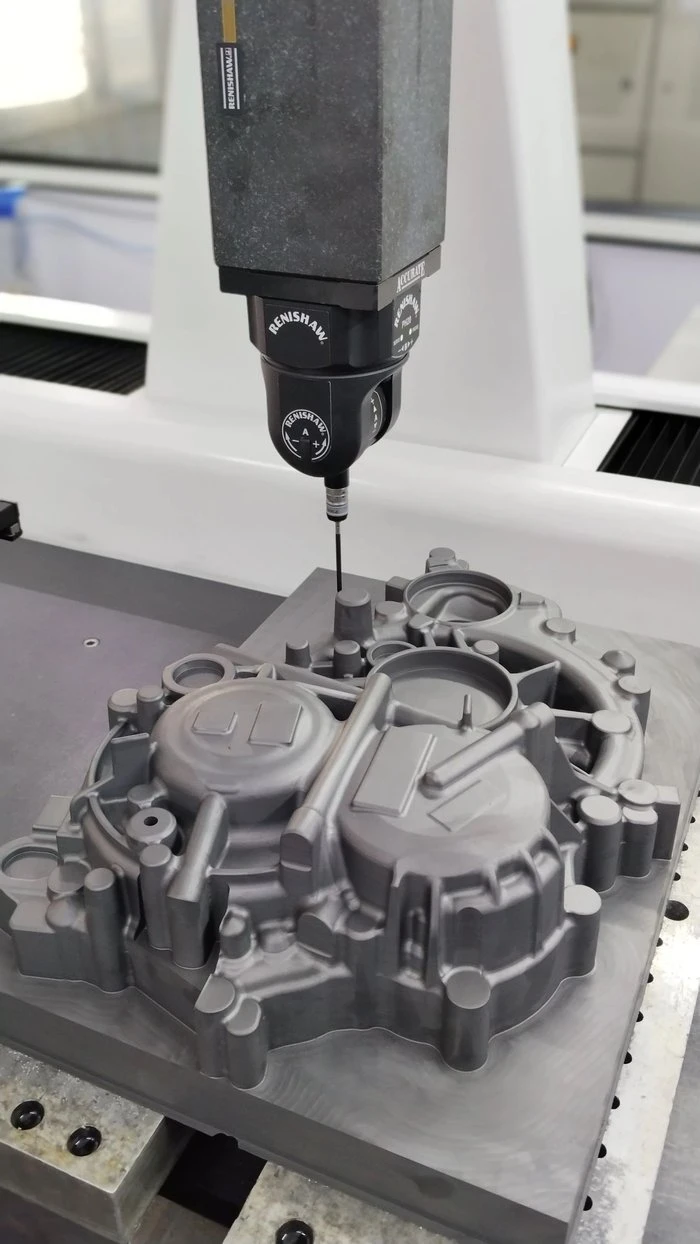
Inspect the wall and rim at regular intervals and measure wall thickness where practical. Set a replacement threshold based on the remaining wall rather than waiting for a hole, and keep the furnace and charge clean and dry.
Recording the number of melts or total weight processed per crucible gives a reliable life baseline.
Conclusion
Crucible life is extended by controlling oxidation temperature, reducing erosion, and inspecting on a schedule. Proactive replacement based on measured wear is safer and more economical than emergency failure.