Surface Finish On Graphite Molds: What The Number Means
Ra is quoted on graphite molds as if it were a universal quality number, and in practice the useful question is what the surface has to do: release the part, hold a coating, or transmit heat.
A very fine finish can improve release and reduce contamination pickup, but it can also reduce the mechanical key that a coating needs, and it costs machining time that may not pay back.
This page sets out how to choose a finish by function.
Release and finish
A smoother mold surface generally releases more easily, up to the point where the finish is so fine that a vacuum forms between part and mold. A controlled, slightly directional finish often releases better than a mirror polish.
Coating and finish
Coatings need a defined surface profile to bond. Specifying a polish and then asking for a coating is a common contradiction, and the coating will either fail or the preparation will undo the polish.
Finish and cleaning
Rougher surfaces hold contamination in the valleys, which makes cleaning less predictable. Where cleanliness matters, finish and cleaning method should be specified together.
Measurement
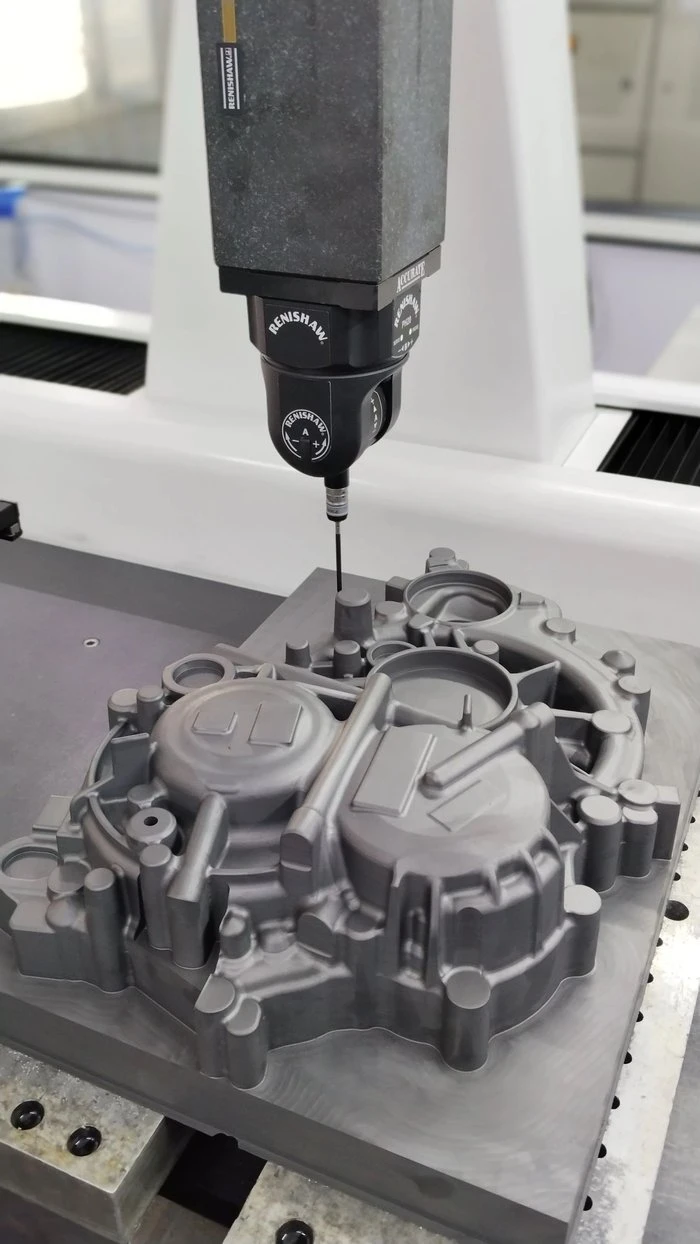
Ra measured across the grain differs from Ra measured along it on graphite, so the measurement direction belongs on the drawing. A single number without a direction is not a reproducible specification.
Cost of finer
Each step finer costs machining time that rises faster than the number improves. Specifying a finish per functional face, rather than across the whole part, keeps cost where it delivers something.
Practical Checklist
- Choose finish by function, not by a single Ra target.
- State the measurement direction: graphite is anisotropic.
- Do not polish a face that then has to be coated.
- Specify finish per face rather than across the part.