Riser Tube Bore Erosion: Reading Fill Time Drift In Low Pressure Casting

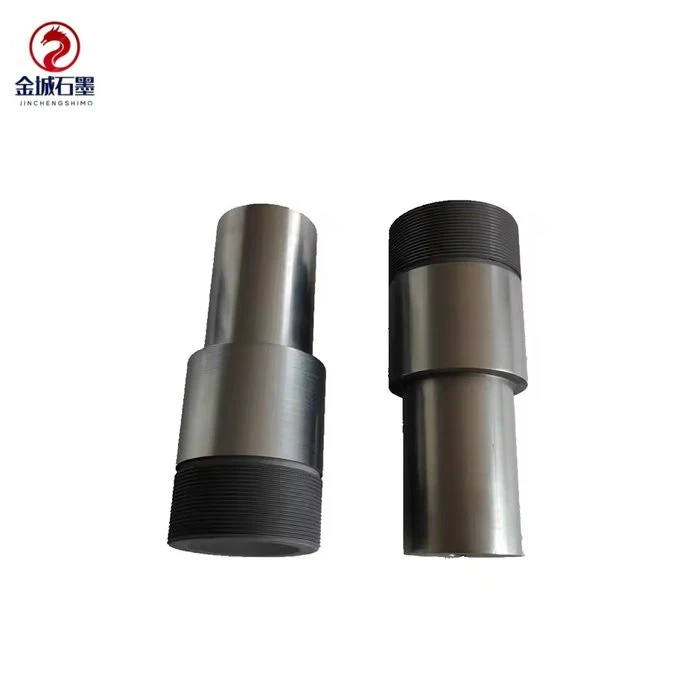
A riser tube rarely cracks. It erodes, and the bore opens up at the melt line until the fill curve no longer matches the one the process was qualified on.
Measure the bore where the metal sits
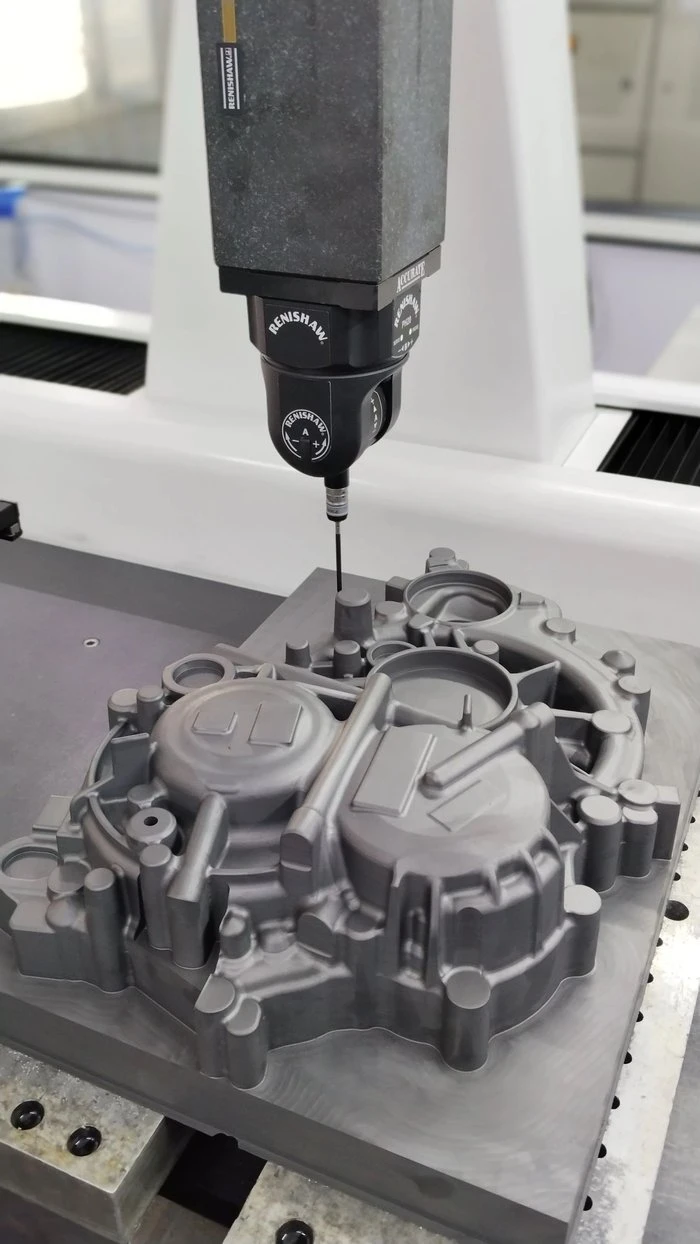
The melt line is the band that sees the most thermal cycling and the most aluminium flow. Measuring there, at two heights, gives a wear rate rather than a single number. Measuring at the top flange tells you about a part of the tube that barely wears.
Compare fill time to the recorded bore
A fill time that creeps up while the bore is still within tolerance points to something else, such as a partial blockage or a change in furnace pressure. A fill time that creeps up together with the bore points to erosion. Keeping both records together is what separates the two.
Replace on the drift allowance, not on the short shot
When the fill time exceeds the qualified band, the tube is already out of process control. Replacing at that point keeps the machine inside its window; replacing after a short shot means a rejected casting and a stopped cell.
Wall thickness belongs at the melt line
Because erosion concentrates at the melt line, the wall there should carry the extra section. A tube with uniform walls spends material where it is not needed and runs out where it is.
Practical Checklist
- Measure the bore at the melt line, at two heights.
- Keep fill time and bore diameter records side by side.
- Replace at the drift allowance rather than after a short shot.
- Put the extra wall section at the melt line.