Thrust Washer Face Parallelism And Step Wear In High Temperature Pumps
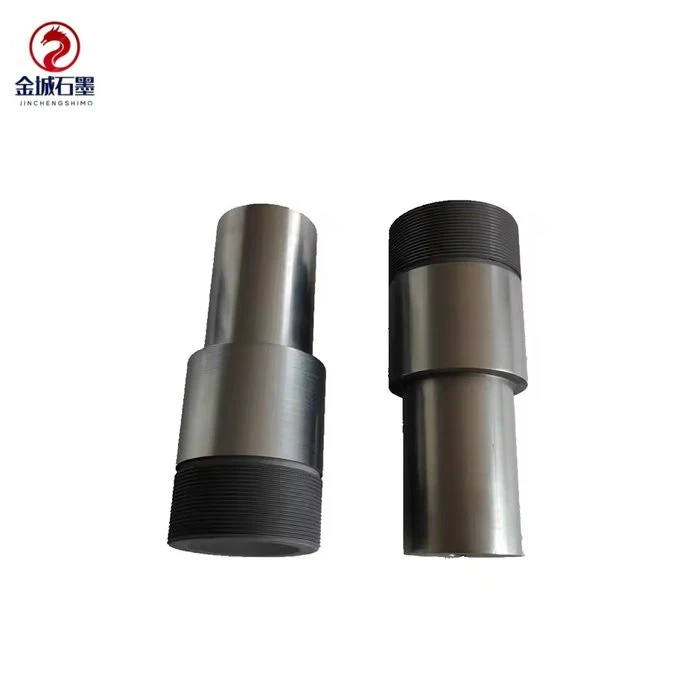
A thrust washer in a hot pump sits between a rotating and a stationary face. The axial load is carried by the whole annulus only if the two faces are parallel.
Parallelism distributes the load
If the faces are not parallel, the washer contacts on a line rather than over the annulus, and the contact pressure there is far above the average. That edge wears first, and the wear then changes the alignment further.
Measure both faces to a common datum
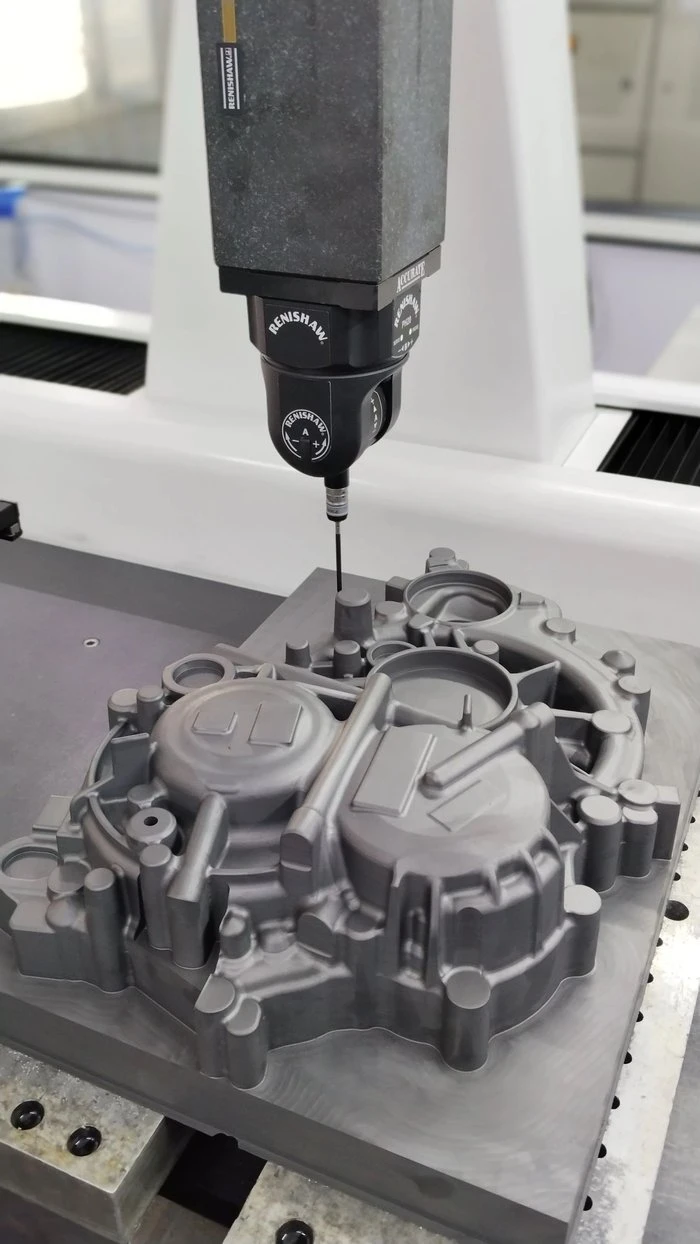
Measuring each face for flatness separately does not give parallelism. Both faces are measured against a common datum, and the result is reported, because that is the number the pump sees.
Wear-in changes the geometry
A washer that wears into a taper keeps running, but the load concentration gets worse. Periodic measurement of parallelism in service shows the trend before the step wears through.
Material grade supports the film
Graphite's self-lubricating behaviour depends on the grade. A finer grain supports a thinner film, which suits higher speed; a coarser grade carries more load at lower speed. The grade and the geometry are chosen together.
Practical Checklist
- Measure both faces against a common datum for parallelism.
- Expect edge wear where parallelism is lost.
- Track parallelism in service to catch the trend.
- Match grade to speed and load together.