

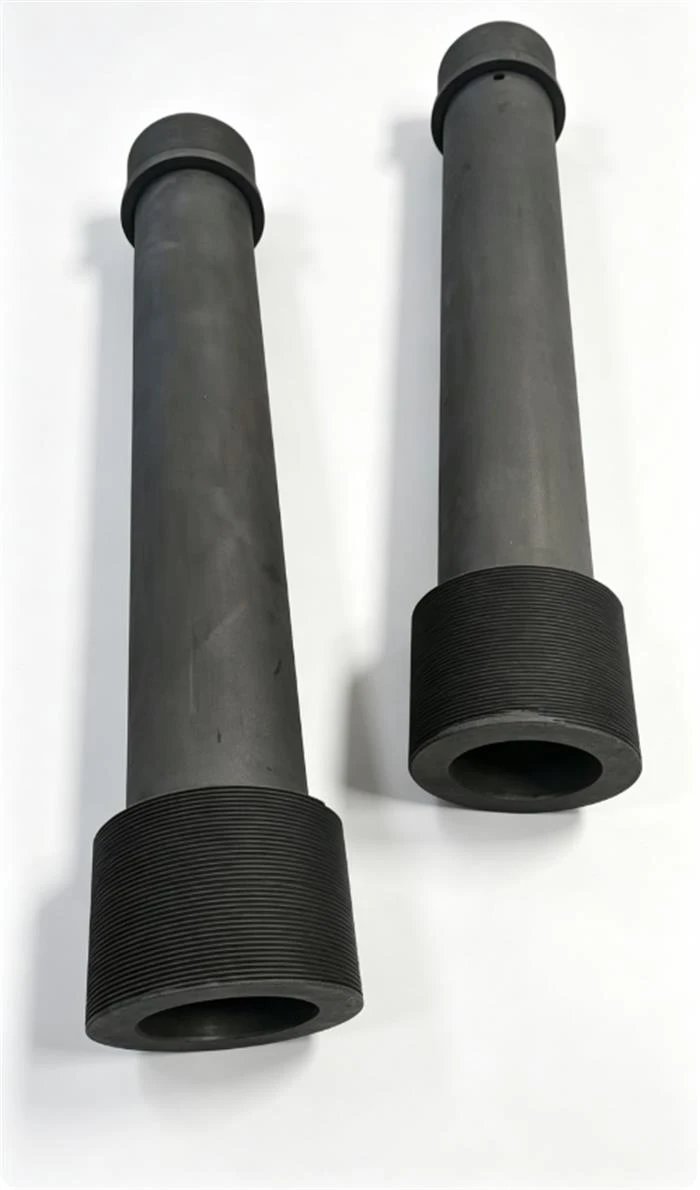
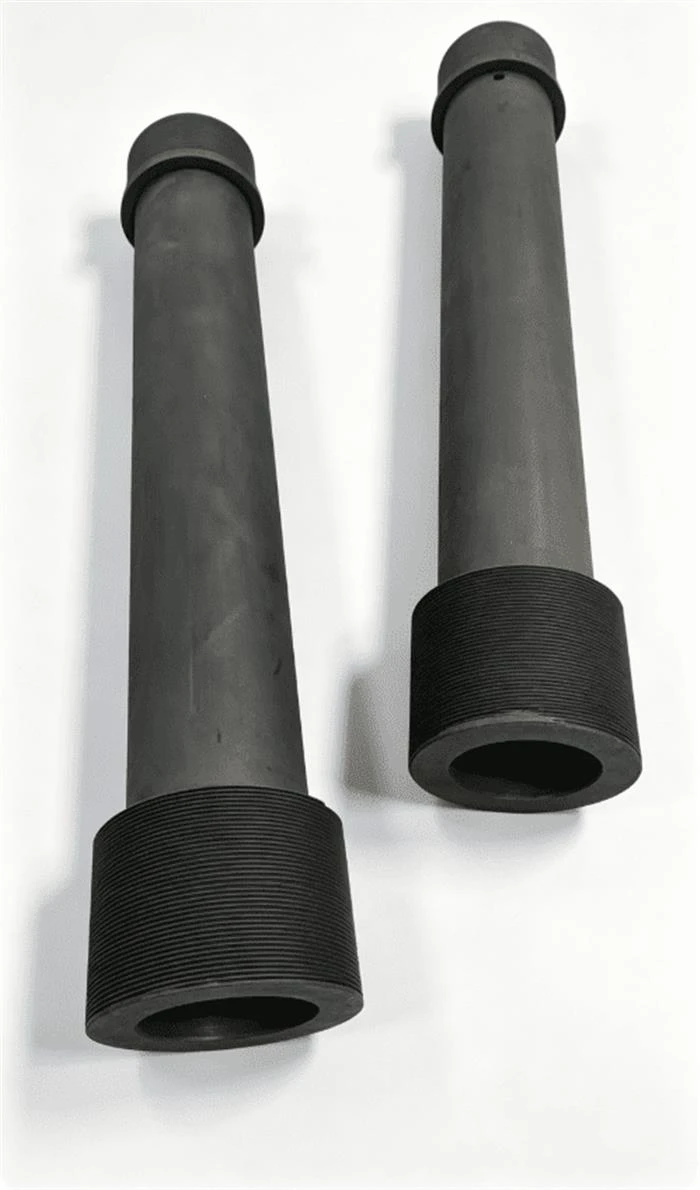
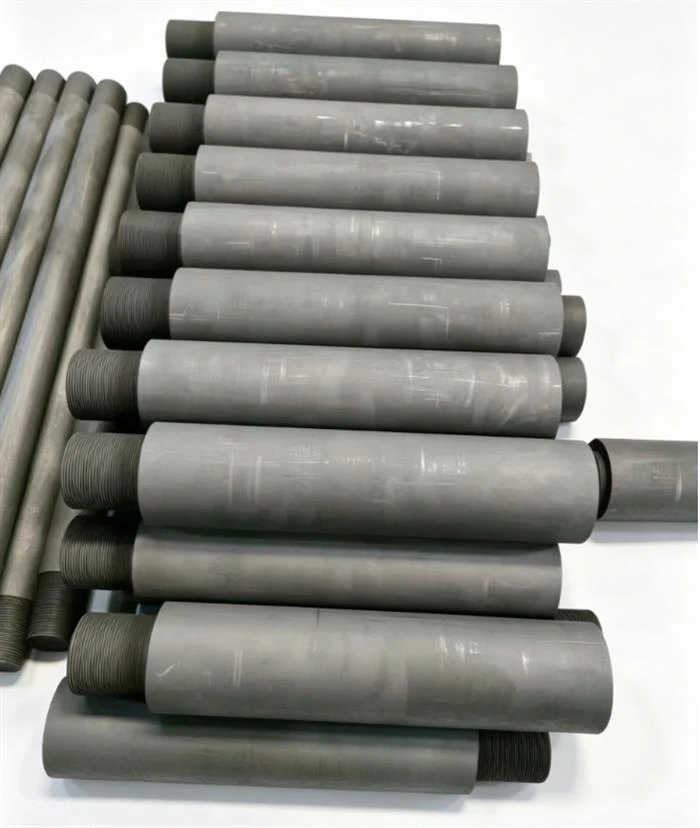
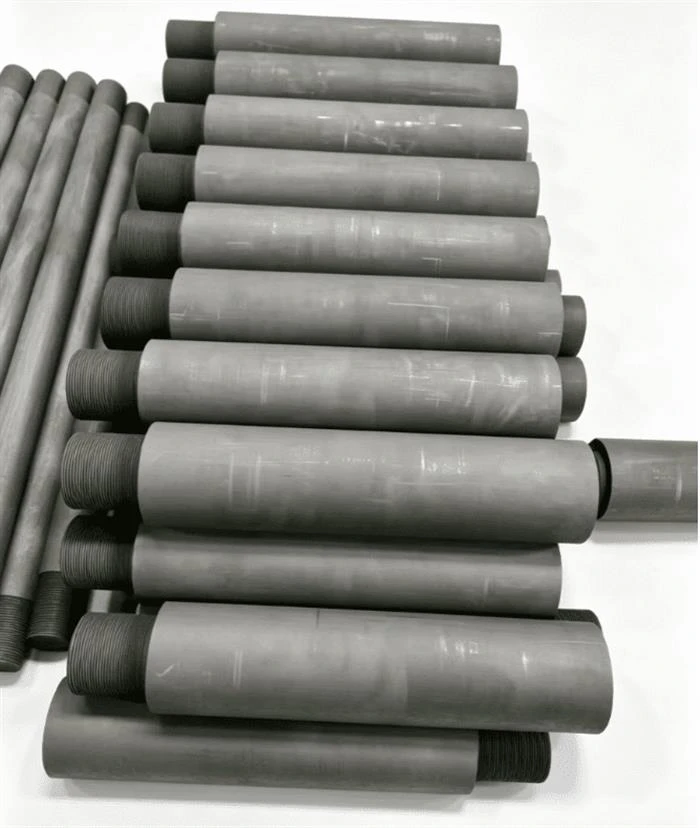
Product Overview
Graphite insulation shields and reflecting screens are essential components in vacuum furnace hot zones, reducing heat loss, improving temperature uniformity, and protecting furnace walls from radiation. Our graphite shields are precision punched and formed from high-quality graphite sheet, providing durable and reliable thermal insulation for a wide range of vacuum and atmosphere furnace applications.
Key Features
- Excellent thermal radiation reflection properties
- Reduces heat loss and improves energy efficiency
- High temperature stability up to 3000°C in vacuum
- Lightweight compared to metal heat shields
- Easy to install and replace
- Custom shapes and hole patterns available
- Available in multiple thicknesses and grades
Technical Specifications
| Parameter | Unit | Value |
|---|---|---|
| Material | - | Flexible Graphite / Isostatic Graphite Sheet |
| Density | g/cm³ | 1.0 - 1.8 |
| Thickness Range | mm | 0.5 - 10 |
| Max Working Temp (Vacuum) | °C | 3000 |
| Thermal Conductivity (Through Plane) | W/(m·K) | 10 - 30 |
| Max Sheet Size | mm | 1000x2000 |
| Tensile Strength | MPa | 5 - 20 |
Applications
- Vacuum furnace hot zone insulation shields
- High temperature furnace radiation baffles
- Crystal growth furnace heat shielding
- Sintering furnace thermal barriers
- Heat treatment furnace insulation upgrades
- Semiconductor processing equipment
- Industrial furnace energy retrofitting
Why Choose Jincheng Graphite Shields?
We supply precision-cut graphite insulation shields and radiation baffles for vacuum furnace manufacturers and heat treatment shops. Our shields are available in flexible graphite sheet for easy forming or rigid isostatic graphite plate for structural applications. We can custom cut shields to your exact furnace geometry, including curved shapes, cutouts, and mounting holes.
FAQ
Q: How many layers of graphite shield are typically used?
A: Typical vacuum furnace hot zones use 3-7 layers of graphite insulation shields, depending on maximum temperature and required energy efficiency. More layers provide better insulation but increase cost and reduce furnace working volume. Our technical team can help you design the optimal shield stack for your furnace.
Q: What is the difference between flexible graphite and rigid graphite shields?
A: Flexible graphite sheet (0.5-3mm thick) is easy to cut and form, ideal for wrapping and curved shield applications. Rigid isostatic graphite plates (3-10mm thick) provide structural support and are used as end plates and heavy-duty shields. Many furnace designs use both types in combination.
Q: How long do graphite shields last?
A: Graphite shields in vacuum furnaces can last for years with proper operation. The main degradation mechanism is gradual oxidation from residual oxygen or process gases. Regular inspection of shield condition is recommended, and shields can be replaced individually as needed rather than replacing the entire hot zone.
Hot Tags: graphite shield, insulation shield, vacuum furnace shield, radiation baffle, hot zone shield, graphite heat shield, furnace insulation, graphite felt shield, air cooled energy storage bipolar plate, carbon carbon graphite material, carbon fiber composite parts, carbon fiber composite plate, conductive composite bipolar plate, flexible graphite bipolar plate


