I. Classification of Refractory Graphite Crucibles for Non-ferrous Metal Smelting
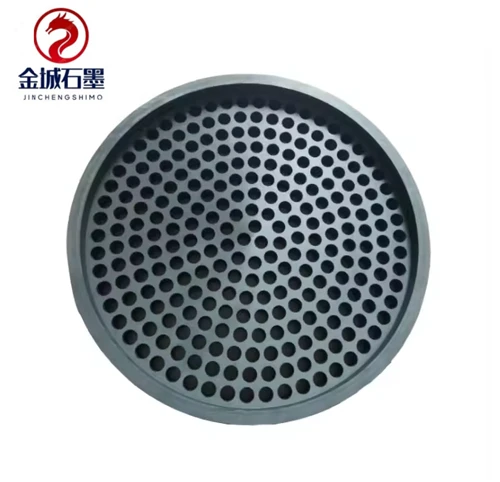
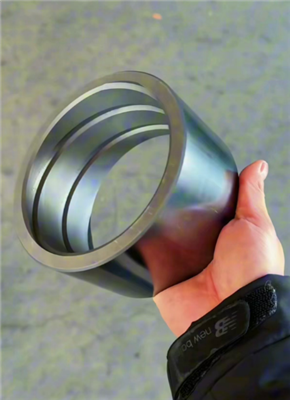
Based on the reinforcing material, they are classified into three categories: clay graphite, SiC composite graphite, and fully high-purity isostatic pressing graphite; based on the capacity, they are divided into laboratory small-sized (1-5kg), standard industrial models (10-50kg), and large-scale continuous smelting models (100-500kg); based on the usage environment, they are classified as air-atmospheric pressure type and vacuum inert atmosphere type. For aluminum and copper smelting, SiC composite refractory graphite crucibles are preferred.
II. Core Principles for Selecting Special坩埚 for Aluminum and Copper Smelting
Temperature matching: The maximum working temperature for aluminum smelting is 1200℃, and for copper smelting is 1500℃. The rated thermal resistance of the crucible should reserve a 200℃ safety margin;
Resistance to erosion priority: Aluminum liquid is prone to penetrating pores, and the apparent porosity rate must be controlled at ≤12%; copper liquid is highly corrosive, and the SiC content should be no less than 40%;
Furnace type adaptation: Medium-frequency induction furnaces use uniformly thick isostatic pressing formed crucibles, and gas furnaces use thick-bottom molded crucibles.

III. Standard Operating Procedures for Use
Pre-treatment of new crucibles: Low-temperature baking at 100℃ for 2 hours to remove moisture, then gradually heating to 800℃ for 3 hours to avoid sudden heating and cracking;
Smelting operation: Do not directly pour cold crucibles into high-temperature molten aluminum or copper; do not exceed 80% of the crucible capacity for each addition to prevent molten material from overflowing;
Temperature control: Aluminum smelting is maintained at 700-850℃, and copper smelting at 1100-1300℃. Long-term over-temperature will accelerate the aging of SiC coating.

IV. Key Points for Daily Maintenance and Care
After each smelting, clean the inner wall of metal slag. Hard tools must not be used to vigorously scrape the inner wall protective layer;
When not in use, keep it dry and ventilated. Moisture can reduce the thermal shock performance;
Check the outer wall oxide layer every 50 smelting cycles. Replace immediately if there is large-scale flaking or fine cracks.
V. Solutions for Common Faults
Crack at the bottom of the crucible: Insufficient bottom wall thickness and too fast heating speed; replace with a thickened SiC crucible and strictly follow the segmented preheating process;
Aluminum liquid penetration and leakage: Excessive pore rate of the crucible; replace with a high-density SiC reinforced model;
Excessive rapid oxidation of the outer wall: Long-term exposure to high-temperature air environment; regularly apply SiC anti-oxidation repair coating.