The global steel and ferroalloy industries depend on graphite electrodes as essential consumable components for electric arc furnace (EAF) and submerged arc furnace (SAF) operations. These cylindrical graphite components carry massive electrical currents into furnaces, generating intense heat through arcing or resistive heating that melts scrap steel, reduces ore, and produces alloys. As the steel industry shifts toward lower-carbon electric furnace production and global ferroalloy demand grows with infrastructure and renewable energy expansion, graphite electrodes remain indispensable to modern metallurgy.
Global annual graphite electrode consumption was approximately 966,000 metric tons in recent years, with demand closely tied to electric arc furnace steel production volumes. Graphite electrodes are classified into three primary grades based on performance: Regular Power (RP), High Power (HP), and Ultra-High Power (UHP). UHP electrodes, made from premium needle coke raw materials, handle the highest current densities and dominate modern high-capacity steelmaking furnaces, while HP and RP grades serve smaller furnaces and ferroalloy production.
In electric arc furnace steelmaking, graphite electrodes are the critical link between the electrical power supply and the molten steel bath. Three large-diameter electrodes (typically 300–700 mm) are lowered into the furnace, and electric current arcs between the electrode tips and the scrap steel charge, generating temperatures exceeding 3,000°C. This extreme heat melts scrap metal rapidly, allowing EAFs to produce a full heat of steel in 40–60 minutes. The electrodes gradually consume during operation-both through sublimation at the hot tip and oxidation on side surfaces-and are continuously fed into the furnace to maintain optimal arc length.
Graphite's unique properties make it the only practical material for this demanding application. It combines excellent electrical conductivity with the ability to withstand temperatures far beyond the melting point of steel. Unlike metal conductors, graphite does not melt; instead, it sublimes directly from solid to gas at approximately 3,600°C, allowing it to maintain structural integrity at the arc tip. Graphite also offers good thermal shock resistance, mechanical strength at high temperatures, and relatively low cost compared to other high-temperature conductive materials.
Beyond steelmaking, graphite electrodes are essential for submerged arc furnace production of ferroalloys and silicon metal. Ferrosilicon, ferromanganese, ferrochrome, silicon metal, and calcium carbide are all produced in large SAFs where electrodes are partially buried in the raw material charge. Here, electrodes operate under continuous high-load conditions, delivering current that heats the charge through both arcing and resistive heating of the burden. The requirements differ slightly from steelmaking-ferroalloy furnaces place greater emphasis on oxidation resistance and long service life due to continuous operation- but the fundamental material advantages of graphite remain the same.
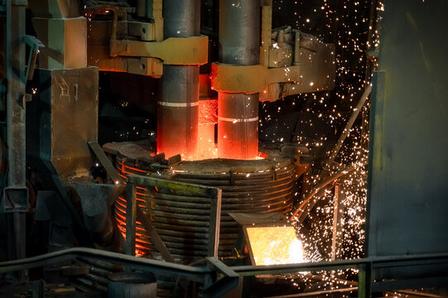
Figure 1: Graphite electrodes in operation inside an electric arc furnace, generating temperatures over 3,000°C to melt scrap steel for recycled steel production.
The production of graphite electrodes is a sophisticated, multi-stage process. High-quality needle coke (for UHP grades) or regular petroleum coke is crushed, sized, and mixed with coal tar pitch binder. The mixture is extruded into cylindrical green bodies, then baked at ~1,000°C to carbonize the binder. High-performance grades undergo vacuum pitch impregnation to increase density and strength, followed by a second bake. The final and most energy-intensive step is graphitization, where electrodes are heated to approximately 3,000°C in Acheson furnaces, transforming the amorphous carbon structure into ordered crystalline graphite. Final CNC machining produces precise threaded connections for nipple assembly.
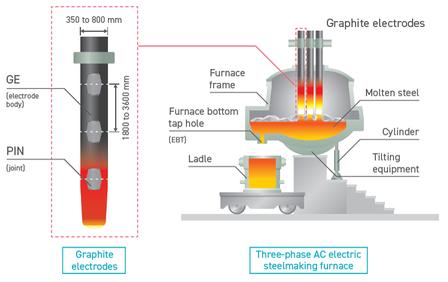
Figure 2: Three-phase AC electric arc furnace diagram showing graphite electrode configuration and key furnace components. Source: Resonac.
Huixian Jincheng Abrasive & Graphite Mold Factory leverages its 40+ years of graphite processing expertise to produce high-density graphite electrode blanks and custom electrode components for metallurgical applications. Founded in 1984 in Huixian City, Henan Province, the company manufactures a range of metallurgical graphite products using powder compression molding, vacuum impregnation, and precision machining processes optimized for high-temperature industrial environments.
Jincheng Graphite produces electrode-grade graphite materials using premium raw materials including molded graphite and isostatic graphite, tailored to specific current density and temperature requirements. The company's powder molding process applies pressures of 10–90 MPa to form dense, uniform graphite blanks with consistent structural properties. Multiple vacuum impregnation cycles with phenolic resin or coal tar pitch further increase density, reduce porosity, and improve oxidation resistance-extending electrode service life and reducing consumption rates per ton of metal produced.
With over 50 CNC machining centers at its facility, Jincheng Graphite can machine graphite electrodes and electrode components up to 1,000 mm in maximum dimension. The company specializes in custom-sized electrodes, special-profile electrodes, and electrode connection components for specialty metallurgical furnaces that do not use standard commodity electrode sizes. This customization capability serves foundries, ferroalloy smelters, and rare earth electrolysis operations with specific process requirements.
Quality assurance is paramount for metallurgical electrodes, as premature breakage or excessive consumption directly impacts production costs and furnace uptime. Jincheng Graphite implements comprehensive testing including bulk density measurement, electrical resistivity testing, compressive strength evaluation, and thermal shock performance verification. Every batch is traceable through the production process, ensuring consistent quality for long-term customers.
Looking ahead, several industry trends will shape graphite electrode demand. The global transition toward lower-carbon steelmaking favors electric arc furnace routes, which use more recycled scrap and generate fewer emissions than blast furnaces-directly increasing graphite electrode demand per ton of steel produced. Growth in electric vehicle and renewable energy sectors drives demand for ferroalloys and silicon metal used in batteries, motors, and solar panels. And continuous improvement in electrode technology-including higher-density materials, optimized joint designs, and antioxidant coatings-will help metallurgical operators reduce consumption rates and improve furnace productivity. For graphite manufacturers like Jincheng Graphite, these trends support sustained demand for high-quality metallurgical electrode products.