High-temperature smelting and electrolysis of non-ferrous metals-including aluminum, copper, zinc, rare earth metals, and precious metals-demand refractory materials that can withstand molten metal, corrosive slags, and extreme thermal cycling. Among refractory options, graphite curved bricks and lining components offer unmatched performance due to their exceptional thermal conductivity, non-wetting properties, and chemical inertness in reducing and inert atmospheres. These precision-machined graphite components line the walls and hearths of smelting furnaces, electrolytic cells, and holding vessels, protecting furnace shells and enabling efficient, high-purity metal production.
Graphite refractory linings serve multiple critical functions in non-ferrous metallurgy. First, they provide thermal insulation and heat transfer management-graphite's high thermal conductivity allows controlled heat dissipation through furnace walls, preventing localized overheating while maintaining optimal process temperatures inside the vessel. Second, graphite's non-wetting property prevents molten metal and slag from adhering to or infiltrating the lining, which would cause corrosion, spalling, and premature failure. Third, graphite's chemical inertness prevents contamination of the molten metal, ensuring high-purity final products-critical for metals like rare earths and electronic-grade copper where even trace impurities degrade product value.
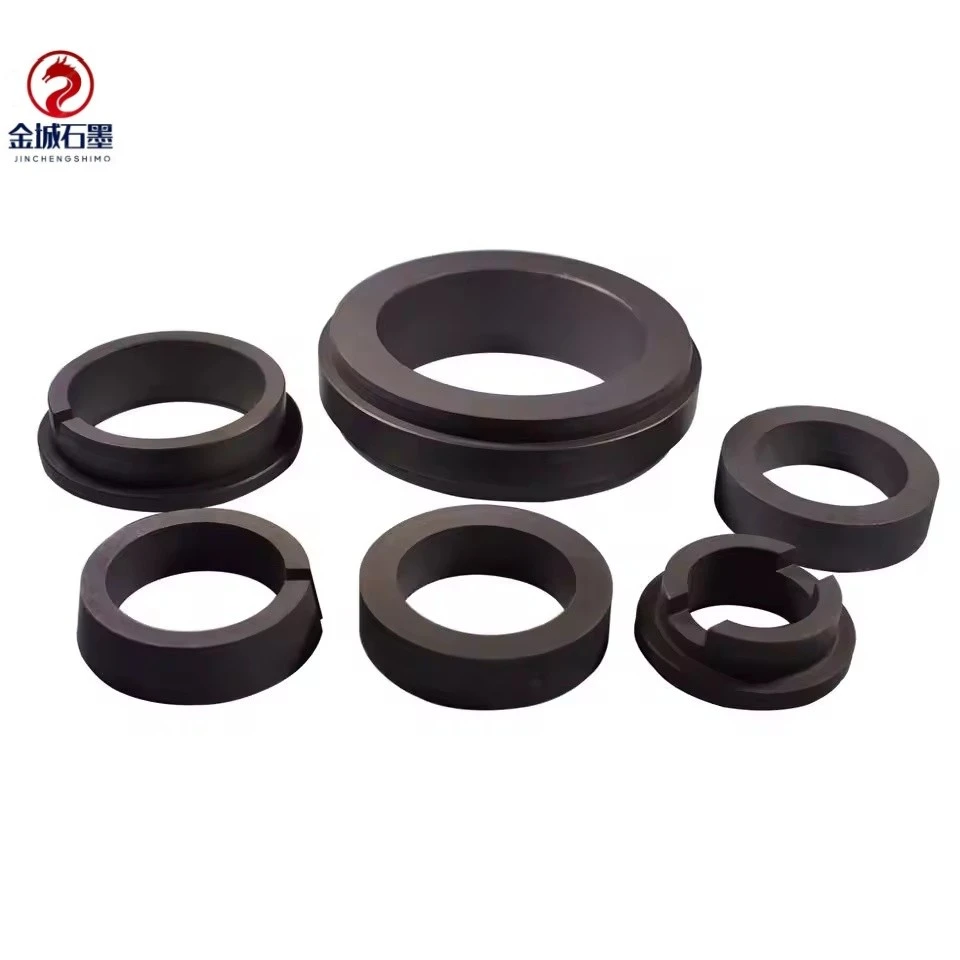
Curved graphite bricks are specifically designed for cylindrical and conical furnace vessels. Unlike straight refractory bricks that create angular joints and stress concentrations, arc-shaped graphite bricks assemble into smooth, continuous linings that follow the curved interior of round furnaces. This seamless construction eliminates weak points at corners, improves thermal uniformity around the furnace circumference, and reduces metal and slag penetration through brick joints. Tongue-and-groove or stepped interlocking features on brick edges further enhance assembly stability and sealing performance.
In rare earth metal production, graphite linings and crucibles are essential for molten salt electrolysis processes that produce praseodymium-neodymium, dysprosium, terbium, and other critical rare earth metals. Operating at 850–1,100°C in highly corrosive fluoride-chloride molten salt baths, these electrolytic cells rely on graphite anodes and graphite-lined cathodes to withstand the aggressive chemical environment while maintaining consistent electrical performance. High-density, impregnated graphite grades are required to prevent molten salt infiltration into the lining structure, which would cause rapid degradation.
For aluminum production, graphite components are used in specialized melting and holding furnaces, as well as in cathode structures for certain electrolysis cell designs. Graphite's resistance to attack by molten aluminum and its ability to maintain electrical conductivity at process temperatures make it valuable for aluminum refining operations. Similarly, copper and precious metal smelters use graphite-lined crucibles and furnace sections for high-purity metal casting and refining processes where contamination must be minimized.
The metallurgy and foundry segment represents approximately 20.8% of the global high-temperature graphite materials market, valued at USD 320.38 million in 2025 according to PW Consulting. This includes graphite electrodes, crucibles, furnace linings, and various consumable graphite components used across ferrous and non-ferrous metal production. Demand for graphite refractories is driven by ongoing growth in global non-ferrous metal production, particularly for battery metals, rare earths, and high-purity metals used in electronics and renewable energy technologies.
Huixian Jincheng Abrasive & Graphite Mold Factory is an experienced manufacturer of graphite refractory linings, curved bricks, and custom furnace components for non-ferrous metallurgy applications. Established in 1984 in Huixian City, Henan Province, the company has served the metallurgical industry for over four decades, developing deep expertise in graphite material formulation and precision brick machining for high-temperature smelting environments.
Jincheng Graphite produces curved refractory bricks from high-density molded and isostatic graphite materials selected for specific furnace operating conditions. For general smelting applications, cost-effective molded graphite with multiple impregnation cycles provides excellent performance and service life. For more demanding applications involving highly corrosive slags or higher temperatures, premium isostatic graphite grades offer enhanced density, isotropy, and corrosion resistance.
The company's 50+ CNC machining centers enable precision fabrication of curved bricks with exact arc radii, thicknesses, and interlocking joint profiles. Maximum processing dimensions of 1,000 mm accommodate bricks for both small laboratory furnaces and large industrial production vessels. Each brick is machined to tight dimensional tolerances ensuring tight assembly joints, which is critical for preventing molten metal or slag penetration through the lining.
Jincheng Graphite applies multiple vacuum impregnation cycles to its refractory graphite to close internal porosity, increase density, and improve resistance to molten metal and slag infiltration. This densification process significantly extends lining service life, reducing furnace downtime for relining and lowering overall refractory costs per ton of metal produced. The company also offers customized graphite formulations with additives to enhance oxidation resistance or thermal insulation properties for specific furnace atmospheres.
Comprehensive quality control ensures consistent performance of every batch of refractory bricks. Testing includes bulk density measurement, compressive strength evaluation, thermal shock resistance testing, and dimensional verification of both individual bricks and assembled lining segments. This rigorous inspection gives metallurgical operators confidence in lining reliability and predictable service life.
Looking forward, demand for high-quality graphite refractories will be driven by several key trends. The global energy transition is accelerating demand for non-ferrous metals including copper, aluminum, nickel, and rare earth metals-all requiring expanded smelting and refining capacity. High-purity metal production for electronics and battery applications places greater emphasis on contamination-free refractory materials, favoring graphite over alternative refractory options. And continuous process improvements in smelting technology push operating temperatures higher and furnace campaigns longer, increasing demands on refractory performance. For graphite manufacturers like Jincheng Graphite with strong material expertise and precision machining capabilities, these trends support continued growth in the metallurgical refractory market.